Artificial Intelligence and Architectural Design: A Visual Exploration of AI’s Inner Workings
Large Language Models are rapidly becoming standard productivity tools, and professionals, including architects and engineers, are increasingly delegating tasks to them, often placing trust in systems whose internal processes remain largely opaque. But how can we trust AI systems without understanding how they function and the fundamental limitations that prevent them from reasoning and acting as humans do?
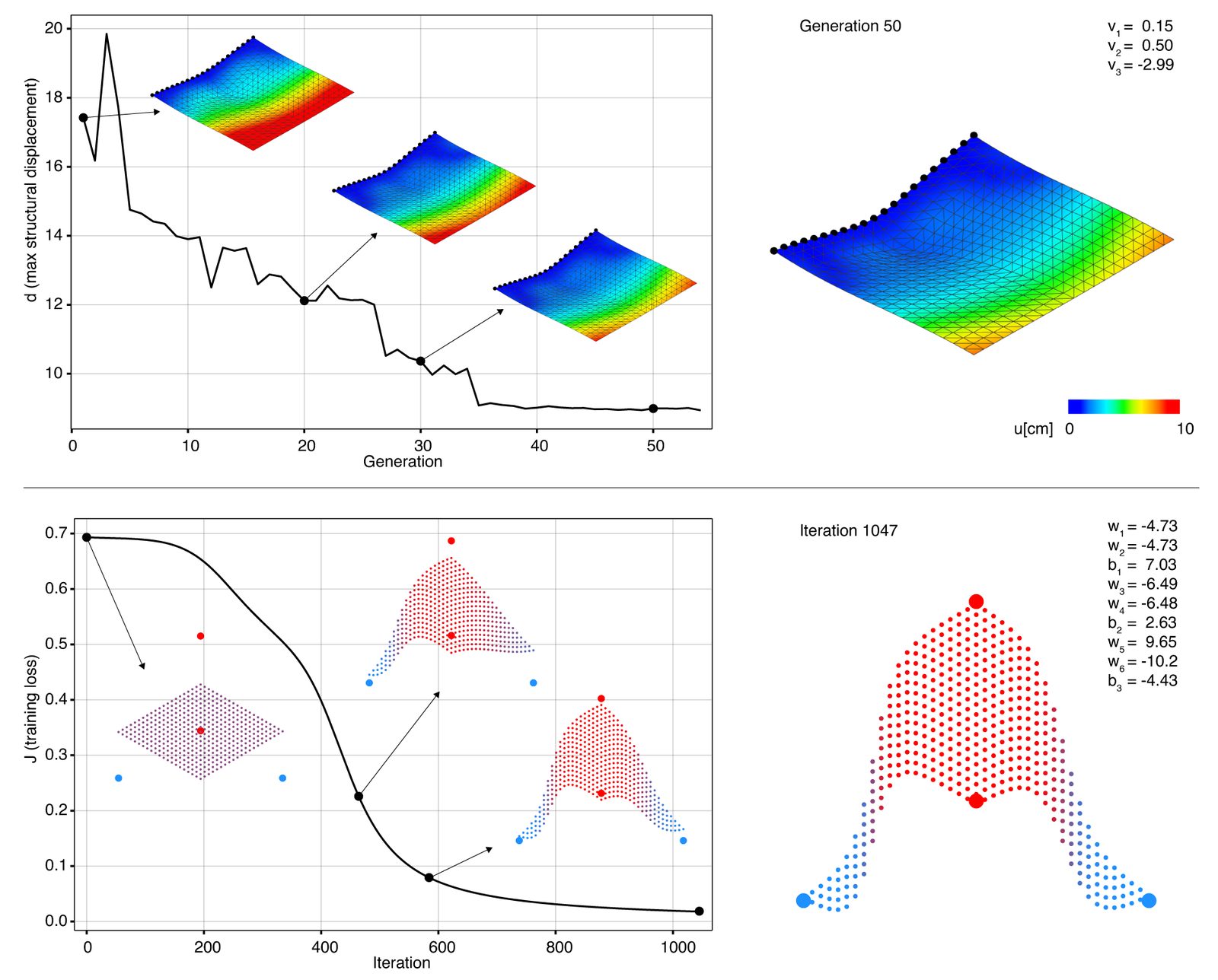
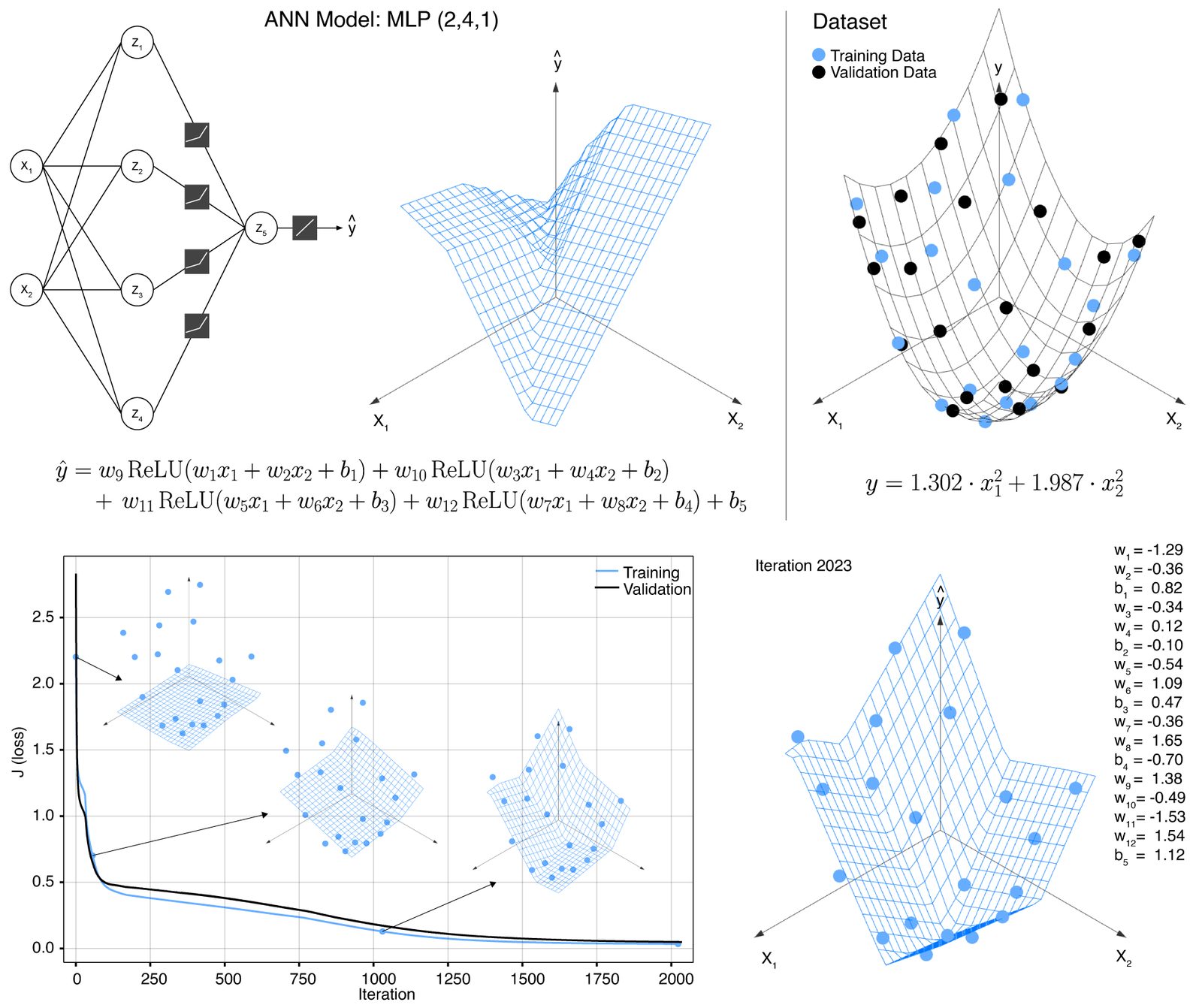
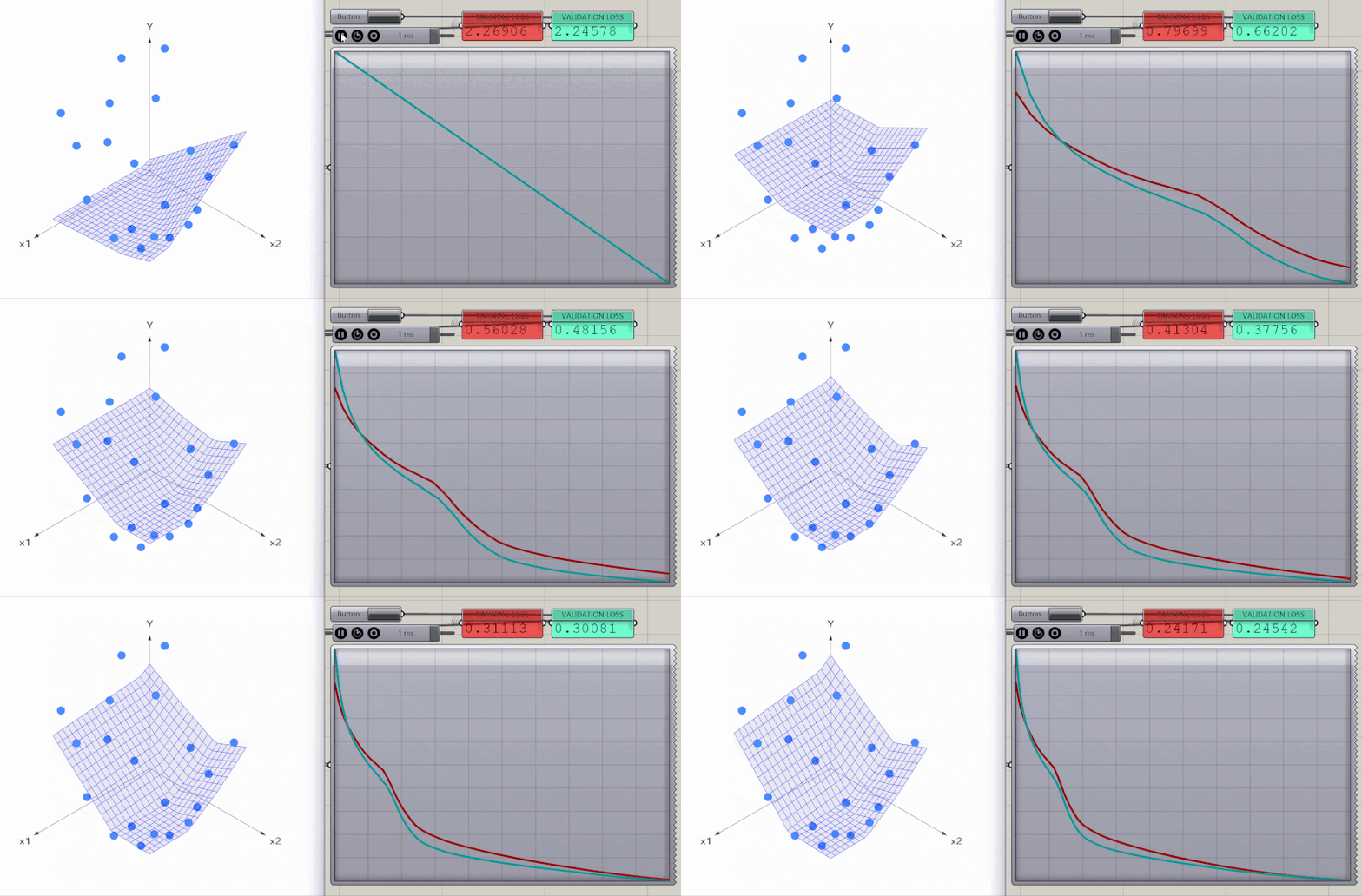
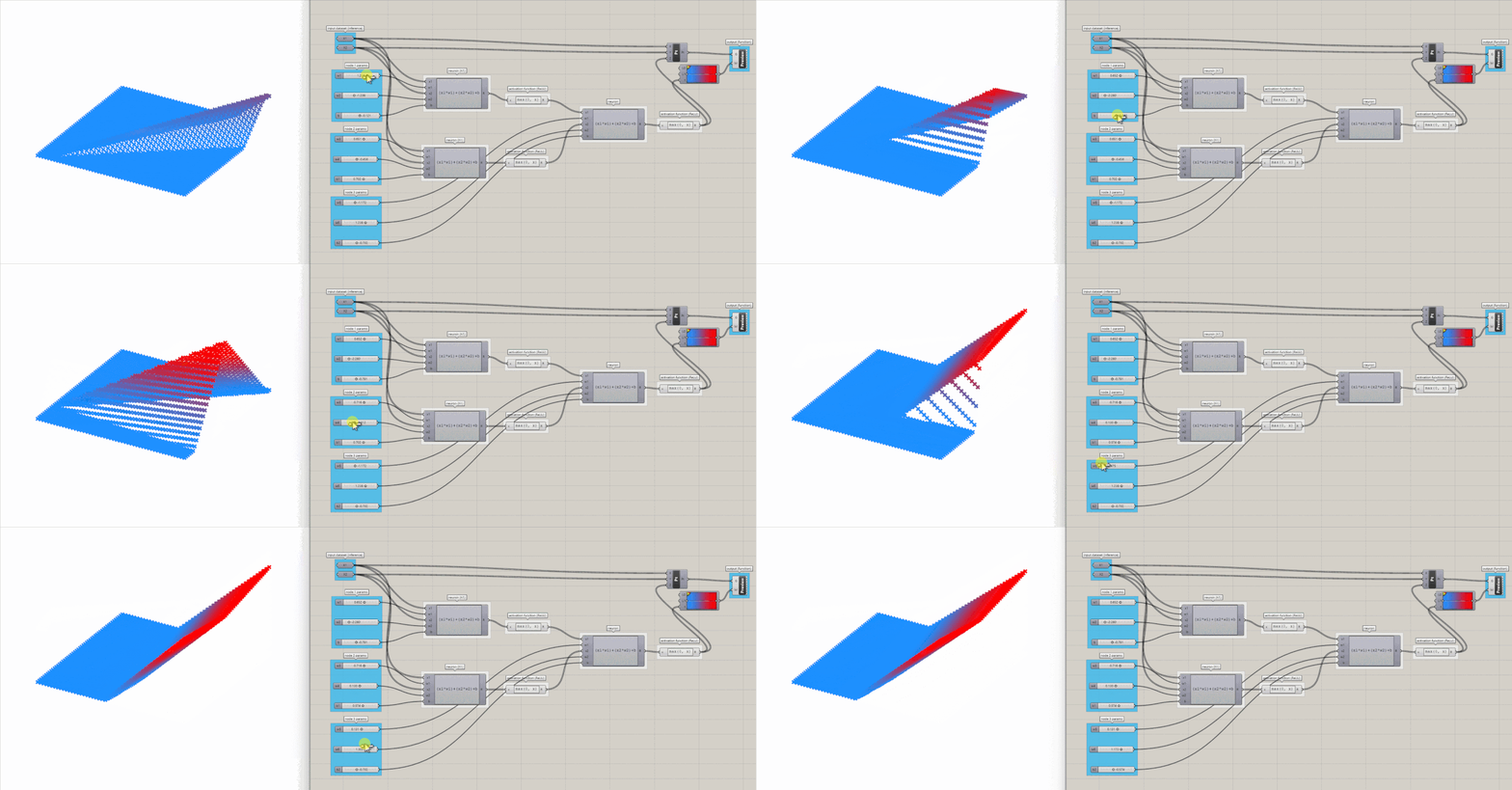
In the chapter “Artificial Intelligence and Architectural Design: A Visual Exploration of AI’s Inner Workings,” recently published in the new edition of the “Handbook of the Mathematics of the Arts and Sciences” by Springer (https://link.springer.com/rwe/10.1007/978-3-319-70658-0_155-1), I explore the inner workings of AI through analogies with concepts already familiar to designers using computational design methods. The chapter guides readers through the development and training of basic Artificial Neural Networks in Grasshopper (Rhinoceros 3D), allowing model architectures and behaviours to be visualised directly as workflow diagrams and 3D functions.
The chapter concludes with a broader reflection on design agency, advocating greater control over our own production tools and a more active role in their development to better support real disciplinary needs.
Many thanks to Michael Ostwald for the invitation to contribute to this new edition.